

The Federal Government has summoned the acting High Commissioner of South Africa to a meeting in Abuja following concerns over recent protests targeting foreigners and attacks on Nigerian citizens and their businesses in the country.
Our correspondent could not immediately confirm the name of the diplomat.
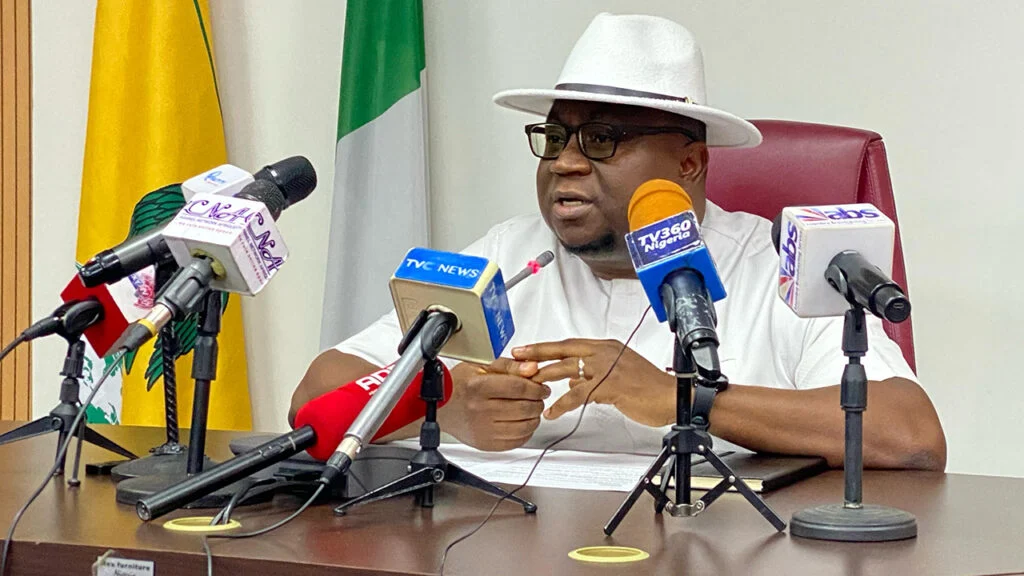
According to a statement issued on Saturday by the spokesperson for the Ministry of Foreign Affairs, Kimiebi Ebienfa, the meeting is scheduled to take place on Monday at the ministry’s headquarters.
The ministry stated that the engagement was aimed at addressing developments that could strain diplomatic ties between the two nations, which have historically maintained cordial relations.
“The Ministry of Foreign Affairs of the Federal Republic of Nigeria has extended an invitation to the acting High Commissioner of the Republic of South Africa for a meeting scheduled to take place on Monday, May 4, 2026, at the ministry’s headquarters in Abuja.
“The objective of this engagement is to formally convey the Nigerian Government’s profound concern regarding recent events that have the potential to impact the established cordial relations between Nigeria and South Africa,” the statement said.
The ministry noted that discussions at the meeting would centre on the ongoing demonstrations by groups in South Africa, as well as reported cases involving Nigerian nationals.
Sponsored
“Discussions will primarily focus on the ongoing demonstrations by various groups within South Africa and the documented instances of mistreatment of Nigerian citizens and attacks on their businesses,” the statement said.
While acknowledging rising tensions among Nigerians over the situation, the Federal Government called for restraint and assured citizens of its commitment to their safety abroad.
“The ministry is aware of the growing discontent among Nigerians concerning the treatment of their nationals in South Africa.
“Nevertheless, it implores the Nigerian public to remain calm and reiterates the Federal Government’s commitment to protecting the rights and well-being of Nigerian citizens residing in South Africa,” the statement added.
Reports indicated that xenophobic protests have intensified in parts of South Africa, with incidents in Pretoria and other cities where migrants have faced harassment, violence, and threats.
Some accounts suggested that protesters targeted schools, attempting to block or remove children of foreign nationals from classrooms.
The unrest has already resulted in fatalities, including two Nigerians, prompting concern within the diaspora and renewed calls for government intervention.
SPONSORED