

Nigeria has taken a significant step towards tackling a fast-growing however typically neglected environmental threat with the launch of a nationwide initiative to make sure the protected assortment and recycling of small-sized waste batteries.
Unveiled on the Federal Ministry of Setting’s Inexperienced Constructing in Abuja, the programme introduces a structured system for the environmentally sound administration of discarded family batteries—starting from button cells in wristwatches to AA and AAA batteries in distant controls, in addition to lithium-ion items powering cell phones and different portable units.
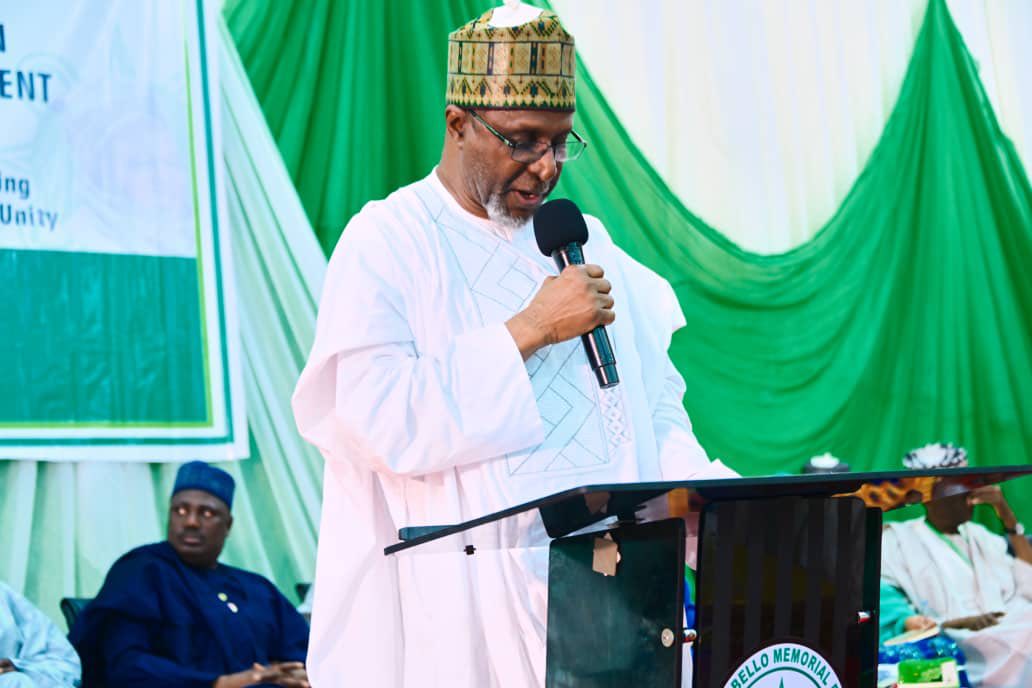
Talking on the occasion, Minister of Setting, Balarabe Lawal, described the initiative as a decisive intervention to shut a long-standing hole in Nigeria’s waste administration system.
He famous that whereas giant batteries comparable to these utilized in automobiles typically appeal to recycling worth, smaller batteries are routinely ignored and improperly disposed of, posing severe dangers to each human well being and the surroundings.
“These small-sized batteries are deceptively harmful,” the minister stated. “They’re simply discarded, but they comprise poisonous substances that may contaminate our soil, water, and meals programs. This initiative is about defending lives—particularly these of girls and youngsters who’re most susceptible to the impacts of environmental air pollution.”
On the core of the programme is the deployment of specifically designed assortment receptacles throughout strategic places within the Federal Capital Territory, together with markets, colleges, workplaces, and motor parks.
The aim is to make protected disposal accessible on the level of use, making certain that hazardous battery waste doesn’t find yourself in dumpsites or casual recycling channels.
The initiative is being carried out in partnership with the Alliance for Accountable Battery Recycling (ARBR), the Producer Duty Organisation for Nigeria’s battery sector beneath the Prolonged Producer Duty (EPR) framework.
Established in 2019, ARBR is tasked with coordinating the gathering, transportation, and environmentally compliant recycling of battery waste nationwide.
Offering an outline of the venture, ARBR representatives highlighted the rising quantity of small battery waste pushed by elevated expertise use and vitality entry throughout Nigeria.
Regardless of their widespread use, these batteries typically enter normal waste streams on the finish of their lifecycle, releasing hazardous supplies comparable to cadmium, mercury, nickel, lithium, and lead into the surroundings.
“Assortment is the inspiration of environmentally sound administration,” ARBR acknowledged. “With out it, your complete worth chain—from transportation and storage to therapy and recycling—breaks down. This venture is designed to make sure that these batteries are captured early and directed into protected, regulated programs.”
Past assortment, the programme establishes a coordinated downstream course of involving the evacuation of collected batteries to central aggregation hubs, from the place they are going to be transported to licensed recycling services, together with export the place essential beneath nationwide rules.
Key companions, together with the Abuja Environmental Safety Board (AEPB) and the Waste Pickers Affiliation of Nigeria (WAPAN), are anticipated to play essential roles in making certain the system’s effectivity and sustainability.
The initiative is anchored on Nigeria’s Nationwide Coverage on Battery Waste Administration (2022) and the Nationwide Environmental (Battery Management) Laws (2024), which mandate the accountable lifecycle administration of batteries consistent with world environmental requirements.
In a goodwill message, the Director Basic of the Nationwide Environmental Requirements and Laws Enforcement Company (NESREA), Prof. Harmless Barikor, described the launch as a robust demonstration of Nigeria’s dedication to assembly its obligations beneath worldwide environmental agreements, together with the Basel Conference on hazardous waste.
He emphasised that the speedy proliferation of battery-powered units has created an escalating waste stream that calls for pressing and coordinated regulatory motion.
“This isn’t only a technical train,” Barikor stated. “It’s a declaration of intent that Nigeria is able to shield public well being and protect its ecosystems by means of science-based and enforceable options.”
He additional famous that the initiative builds on groundwork laid beneath the PROBAMET venture, which helped map casual sector actions, determine infrastructure gaps, and lift consciousness amongst stakeholders within the battery worth chain.
Stakeholders on the occasion counseled the Federal Ministry of Setting for its management, whereas additionally acknowledging the position of worldwide growth companions in offering technical and {financial} help for the venture.
Consultants say the initiative may additionally unlock {economic} alternatives by integrating casual waste collectors into formal programs and advancing Nigeria’s round economic system agenda—the place waste is handled as a useful resource somewhat than a burden.
Because the programme rolls out, officers are calling on Nigerians to undertake accountable disposal habits, stressing that the success of the initiative relies upon not solely on infrastructure but additionally on public participation.
“Each battery correctly disposed of is a life protected and an ecosystem preserved,” the minister stated. “That is the start of a nationwide motion towards cleaner, safer environmental practices.”
The launch marks what stakeholders describe as a essential turning level in Nigeria’s method to hazardous waste administration, with expectations that the mannequin might be expanded past the Federal Capital Territory to different elements of the nation within the close to future.
Michael Olugbode
Times Nigeria