

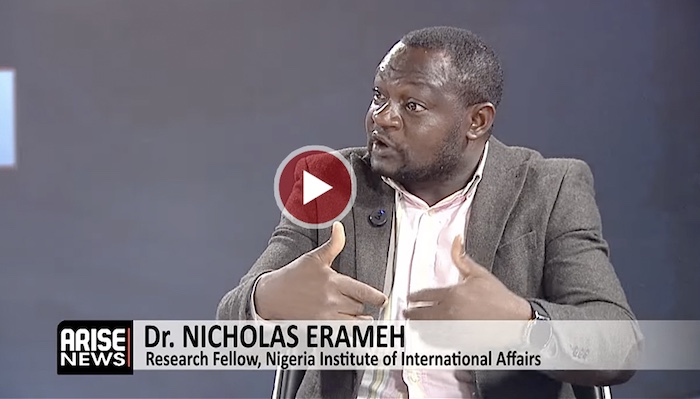
The latest United Nations decision on reparations for slavery and colonialism has moved the dialog from ethical argument to a authorized framework, giving African nations and victims the flexibility to pursue claims in court docket.
Talking throughout an interview on ARISE Information on Thursday, Dr. Nicholas Erameh described the decision as a “proper step in the correct path,” emphasizing that it gives a proper authorized foundation for difficult the injustices of colonialism, no matter whether or not instant judgments are made.
In response to Erameh, the importance of the decision lies in its authorized codification of historic grievances. “What this decision does is enable instances of colonial exploitation and transatlantic slavery to be delivered to court docket with enforceable authorized weight, moderately than relying solely on ethical appeals,” he mentioned.
Erameh highlighted the excellence between ethical and authorized obligations, noting that many nations beforehand engaged in reparations discussions have been motivated by goodwill. The decision, nonetheless, establishes a proper authorized route for victims to demand compensation, impartial of the perceived generosity of former colonial powers.
When requested about nations that abstained or opposed the decision, together with the US, Israel, and a few European nations, Erameh mentioned this displays the authorized stakes concerned. “As soon as authorized implications are launched, nations develop into cautious. However the truth stays: victims now have a platform to assert what’s due beneath worldwide regulation,” he defined.
The UN decision doesn’t restrict accountability to states alone. Erameh emphasised that entities, establishments, and people implicated within the historic injustices will also be topic to authorized problem. “It shifts the main focus to victims’ rights and the way they understand and pursue justice,” he added.
Addressing the broader African response, Erameh famous that whereas Ghana led the UN initiative, Nigeria and different African nations stay stakeholders inside the African Union framework. He pressured that authorized empowerment beneath the decision is collective, even when particular person nations spearhead particular initiatives.
Erameh additionally drew comparisons with Caribbean nations beneath CARICOM, which have traditionally pursued reparations extra aggressively. “Africa might seem slower, however this decision now offers the continent the identical authorized footing to problem historic injustices systematically,” he mentioned.
On issues over implementation, Erameh argued that the decision’s energy is in its authorized basis. “Even when political resistance exists, the codification into worldwide regulation ensures that these instances can’t be dismissed purely on ethical or diplomatic grounds,” he famous.
Talking about sensible utility, Erameh recommended that African nations and victims ought to put together authorized frameworks and establishments to handle claims, making certain accountability and stopping diversion of funds or assets. “With out correct constructions, even legally acknowledged claims might fail to attain tangible outcomes,” he mentioned.
He concluded that the decision marks a turning level in Africa’s pursuit of justice, offering each nations and affected people the authority to carry historic perpetrators accountable. “That is not nearly acknowledgment or apology; it’s about enforceable authorized rights,” Erameh affirmed.
The dialogue underscored the significance of authorized empowerment in worldwide affairs, with Dr. Erameh noting that the UN decision represents a concrete step towards redressing centuries of colonial exploitation via regulation moderately than rhetoric.
Triumph Ojo
Times Nigeria