

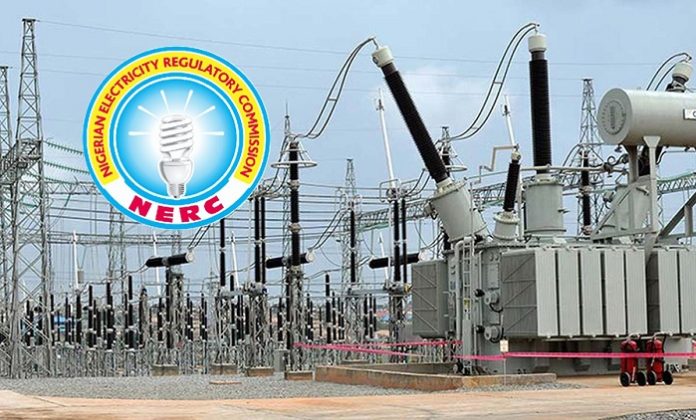
Nigeria’s electrical energy grid entered 2026 below stress, with most energy vegetation working far under capability and the system repeatedly drifting exterior protected frequency limits — a mixture that alerts persevering with stress throughout the nation’s fragile energy community.
Contemporary information launched by the Nigerian Electrical energy Regulatory Fee paints a stark image: whereas Nigeria has sufficient put in vegetation on paper to generate over 13,000 megawatts, barely a 3rd of that capability was really usable in January.
The findings are contained within the regulator’s January 2026 Operational Efficiency Factsheet, revealed on Monday, which reveals that era shortfalls and grid instability stay persistent threats to dependable electrical energy provide nationwide.
In easy phrases, many vegetation existed, however too few had been out there to supply energy when wanted.
In keeping with NERC, “The grid-connected vegetation recorded a Plant Availability Issue of 36% – at any time throughout the month, a mean of 4,901 MW was out there for dispatch into the grid.”
Which means in another country’s 13,625MW put in capability, solely 4,901MW may really be despatched to houses and companies at any given time.
Regardless of this restricted provide, demand remained sturdy. Practically all out there electrical energy was used, leaving nearly no reserve to cushion the system if something went incorrect.
The fee reported an Common Load Issue of 90%, translating to 4,421 megawatt-hours per hour consumed — an indication that no matter energy was generated was instantly absorbed by the grid.
However era constraints weren’t the one concern.
The report additionally flagged instability in system frequency — a vital indicator of grid well being. When frequency strikes exterior the protected band, it could harm tools, set off system disturbances, and even result in widespread outages.
NERC famous that “The common decrease grid frequency (49.03Hz) and common higher grid frequency (50.66Hz) throughout the month exceeded the prescribed limits (49.75Hz–50.25Hz).”
In sensible phrases, the grid operated exterior its protected working vary for components of the month, growing the chance of disruptions.
Efficiency assorted extensively amongst energy stations. Whereas a number of vegetation underperformed or recorded little output, a couple of stood out for stronger availability and utilisation, with Ihovbor_2, Kainji_1, and Jebba_1 rating among the many prime contributors to power era throughout the interval.
The broader challenges, nevertheless, are structural.
Nigeria’s electrical energy sector continues to grapple with ageing infrastructure, weak upkeep tradition, and continual underinvestment throughout era and transmission. Many transmission traces have been in service for many years and are more and more vulnerable to faults, making it more durable to maneuver energy effectively throughout the nation.
Business sources say the grid usually operates near its limits, leaving little room to soak up shocks when tools fails or provide fluctuates. Delays in main transmission upgrades and execution gaps in reform programmes have additional constrained the system’s resilience.
The result’s a cycle of low availability, tight provide margins and unstable operations, precisely what January’s numbers replicate.
For on a regular basis shoppers, the implications are easy: fewer megawatts out there means tighter provide, increased vulnerability to outages, and continued problem attaining steady, round the clock electrical energy.
The most recent factsheet underscores how far the sector nonetheless has to go — not simply in constructing capability, however in guaranteeing that present vegetation and infrastructure really work when wanted most.